Get Inground Sprinkler Installation
Inground sprinkler installation services help property owners efficiently water lawns and gardens by connecting them with local contractors skilled in designing and installing irrigation systems.
Inground sprinkler installation is a practical solution for property owners seeking to maintain healthy, lush landscapes with efficient water use. Whether preparing for the upcoming growing season or upgrading an existing system, many find that professional installation ensures even coverage and reliable operation. Exploring local contractors can help you compare options and find the right service provider to meet your specific landscape needs, making it easier to plan your project with confidence.
For property owners in the area, working with experienced local service providers offers the benefit of understanding regional conditions and landscape requirements. This can be especially helpful when considering the most effective sprinkler layout and system features. Continuing to explore your options can lead to finding a contractor that aligns with your project goals, ensuring your irrigation system functions smoothly and effectively.
- Inground sprinkler installation - needed when establishing a new lawn or landscape that requires efficient watering.
- Sprinkler system upgrades - suitable for homeowners updating an existing system to improve coverage or efficiency.
- Custom sprinkler zone setup - ideal for properties with diverse landscaping needs requiring tailored watering zones.
- Existing system repair or replacement - necessary when current sprinklers are malfunctioning or no longer functioning properly.
- Water management system integration - appropriate for those looking to incorporate smart controllers or rain sensors for better water conservation.
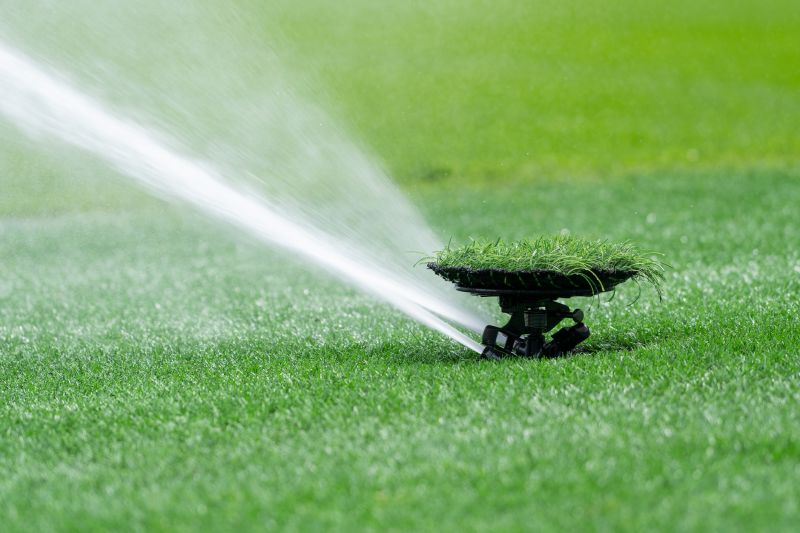
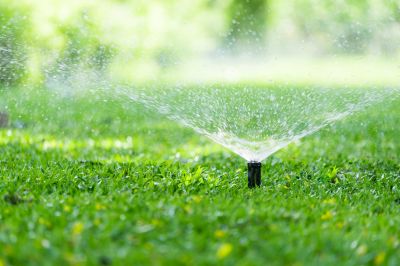
Inground sprinkler installation involves setting up an underground system designed to deliver water efficiently across a property's landscape. This service typically includes planning the layout to ensure even coverage, installing underground piping, and placing sprinkler heads in strategic locations. The goal is to create a convenient, automated watering system that helps maintain a healthy lawn and garden without the need for manual watering. Homeowners interested in this service often seek a reliable way to keep their outdoor spaces lush and vibrant with minimal effort.
This type of installation can address common watering problems such as uneven coverage, overwatering, or underwatering. It helps prevent dry patches, water waste, and the hassle of dragging hoses around the yard. A professionally installed inground sprinkler system can also improve water efficiency, ensuring that plants receive the right amount of moisture while conserving resources. Property owners who have experienced issues with inconsistent watering or are looking to reduce their outdoor maintenance workload may find this service particularly beneficial.
Inground sprinkler systems are suitable for a variety of property types, including residential yards, multi-family complexes, and small commercial landscapes. They are especially popular for properties with large lawns, landscaped gardens, or irregularly shaped lots where manual watering would be time-consuming and inefficient. Whether a homeowner wants to automate watering for a standard backyard or a property with extensive landscaping, local contractors can tailor the system to meet specific needs and property layouts.
Homeowners considering this service should look for local pros who specialize in underground sprinkler installation. These service providers can assess the property, recommend appropriate system designs, and handle the installation process efficiently. An expertly installed inground sprinkler system can help maintain a well-watered landscape, reduce water waste, and save time on outdoor chores. Contacting experienced local contractors is a practical step toward achieving a healthy, thriving yard with a professionally installed irrigation system.
The overview below groups typical Inground Sprinkler Installation projects into broad ranges so you can see how smaller, mid-sized, and larger jobs often compare in your area.
In many markets, a large share of routine jobs stays in the lower and middle ranges, while only a smaller percentage of projects moves into the highest bands when the work is more complex or site conditions are harder than average.
Smaller Repairs - typical costs for routine repairs like fixing leaks or replacing a few sprinkler heads generally range from $150 to $400. Many minor fixes fall within this middle range, though prices can vary based on the extent of the work.
Partial System Upgrades - upgrading parts of an existing sprinkler system, such as installing new zones or controllers, usually costs between $600 and $1,500. Larger, more comprehensive upgrades can reach $2,500+ but are less common.
Full System Installation - installing a complete inground sprinkler system often falls between $2,000 and $4,500 for typical residential projects. More complex or larger properties can see costs exceeding $5,000, though these are less frequent.
Complete Replacement - replacing an entire existing sprinkler system with a new setup generally costs from $3,500 to $7,000. Many projects in this range are straightforward, while larger or more intricate installations can go higher depending on property size and system complexity.
Actual totals will depend on details like access to the work area, the scope of the project, and the materials selected, so use these as general starting points rather than exact figures.
Landscape Drainage Systems - installing drainage solutions involves planning and underground work similar to inground sprinkler systems to prevent water pooling and soil erosion.
Garden Irrigation Projects - designing and implementing irrigation setups for gardens require comparable knowledge of water distribution and underground piping.
Underground Utility Installations - laying underground utilities such as electrical or communication lines shares skills in trenching, pipe placement, and planning with sprinkler installation.
Hardscape Lighting Systems - installing outdoor lighting involves trenching, wiring, and planning that align with the skills used in sprinkler system setup.
Soil Preparation and Grading - preparing landscape soil and grading land for proper drainage involves planning and excavation techniques similar to sprinkler system installation.
Retaining Wall Construction - building retaining walls requires excavation, site planning, and underground work akin to installing underground irrigation systems.
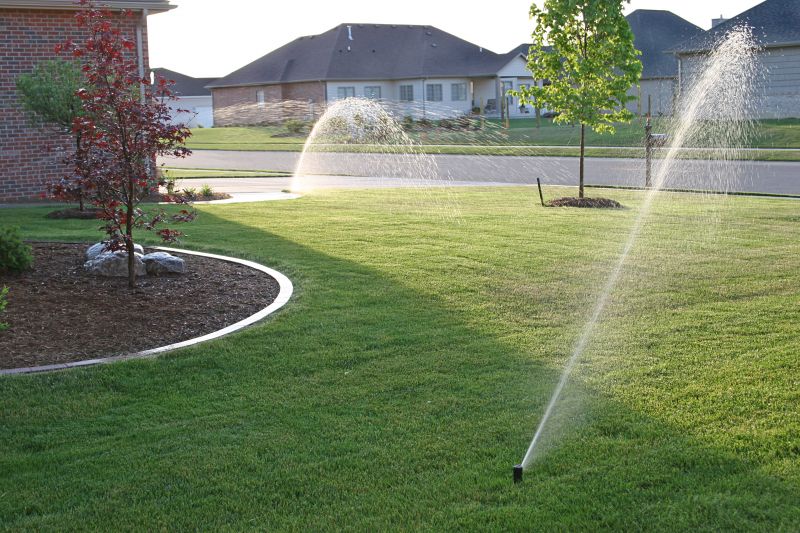
When selecting a contractor for inground sprinkler installation, it’s important to consider their experience with similar projects. Homeowners should inquire about how long a service provider has been working on irrigation systems and whether they have completed projects comparable in size and complexity to their own. A contractor with a proven track record in installing systems tailored to specific yard layouts and landscape needs can often deliver more reliable results. Verifying the background of local contractors through references or past work examples can help ensure they possess the practical knowledge necessary to handle the unique challenges of each property.
Clear written expectations are also a key factor in choosing the right service provider. Homeowners should seek detailed proposals that outline the scope of work, materials to be used, and approximate steps involved in the installation process. Having this information in writing helps prevent misunderstandings and ensures everyone is aligned on project goals. When reviewing options, it’s beneficial to ask for reputable references or reviews from previous clients. These insights can reveal how well a contractor communicates, manages timelines, and addresses any issues that arise during the project, providing a clearer picture of what to expect.
Good communication is essential throughout the process of installing an inground sprinkler system. Homeowners should look for local contractors who are responsive, transparent, and willing to answer questions thoroughly. Open lines of communication can make coordinating schedules, clarifying details, and addressing concerns much smoother. It’s important to remember that this site introduces homeowners to local options rather than performing the work itself. By focusing on these key aspects-experience with similar projects, clear written expectations, reputable references, and effective communication-homeowners can better compare and connect with service providers capable of handling their irrigation needs.
Property owners use Inground Sprinkler Installation services for practical projects around their homes and businesses. This guide focuses on everyday jobs and straightforward project options.
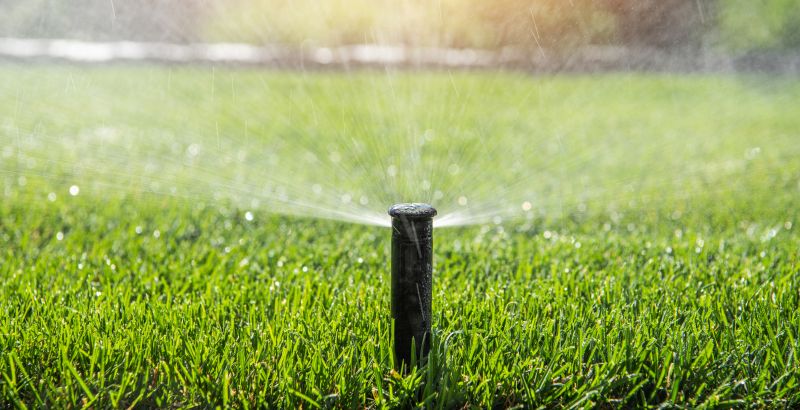
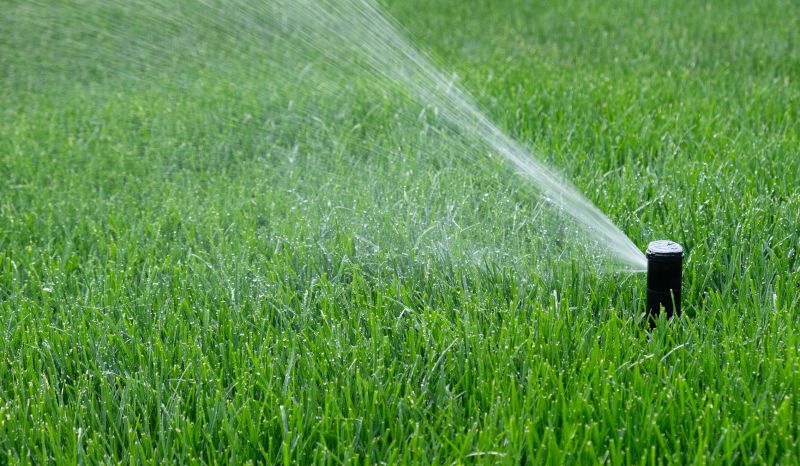
Inground sprinkler installation services are often sought after by property owners looking to maintain a lush, healthy lawn with minimal effort. Common situations include replacing an aging or malfunctioning system, expanding irrigation coverage to new garden areas, or upgrading to more efficient equipment. Local contractors can help ensure the system is properly designed and installed to meet the specific needs of the property, making it easier to keep landscapes vibrant and well-watered throughout the growing season.
Many property owners turn to local service providers for inground sprinkler work when they want to improve water efficiency or reduce manual watering chores. Whether installing a new system for a recently landscaped yard or repairing an existing setup to prevent leaks and uneven coverage, these pros offer practical solutions tailored to the local area's climate and terrain. Connecting with experienced contractors can simplify the process of achieving a consistent, dependable irrigation system that supports healthy outdoor spaces.
What is involved in installing an inground sprinkler system? Local contractors typically handle site assessment, system design, pipe installation, and controller setup to ensure proper coverage for your landscape.
Can an inground sprinkler system be customized for different yard sizes? Yes, service providers can design and install systems tailored to the specific size and shape of your property for efficient watering.
What types of sprinkler heads are used in inground systems? Local pros often use various heads such as spray, rotor, or drip emitters to suit different watering needs and landscape features.
How do local contractors ensure even water distribution? They carefully plan the placement of sprinkler heads and adjust watering zones to achieve uniform coverage across the yard.
Is it possible to integrate an inground sprinkler system with existing landscaping? Yes, experienced service providers can incorporate sprinkler components around trees, flower beds, and other landscape elements without disruption.
Automatic Lawn Watering - Installing an inground sprinkler system helps ensure your lawn receives consistent watering, keeping grass healthy and green.
Garden Irrigation - A professional setup can provide efficient watering for flower beds and vegetable gardens, reducing manual effort.
Property Maintenance - An inground system can simplify yard upkeep by providing reliable irrigation that supports overall landscape health.
Water Conservation - Properly designed sprinkler systems can help property owners manage water use effectively while maintaining a lush appearance.
If you are thinking about Inground Sprinkler Installation for a property, this guide is meant to help you understand the work, the typical project types, and how different options might fit your plans.
When you are ready, you can use the quote form on this page to share a few details about your project. From there, local pros can review the basics and respond with options that match what you have in mind.